Arctic seas
5/17/2026
Book About the Oral Histories and Traditional Knowledge of Into Sandberg and Tahkoluoto Coast, Finland
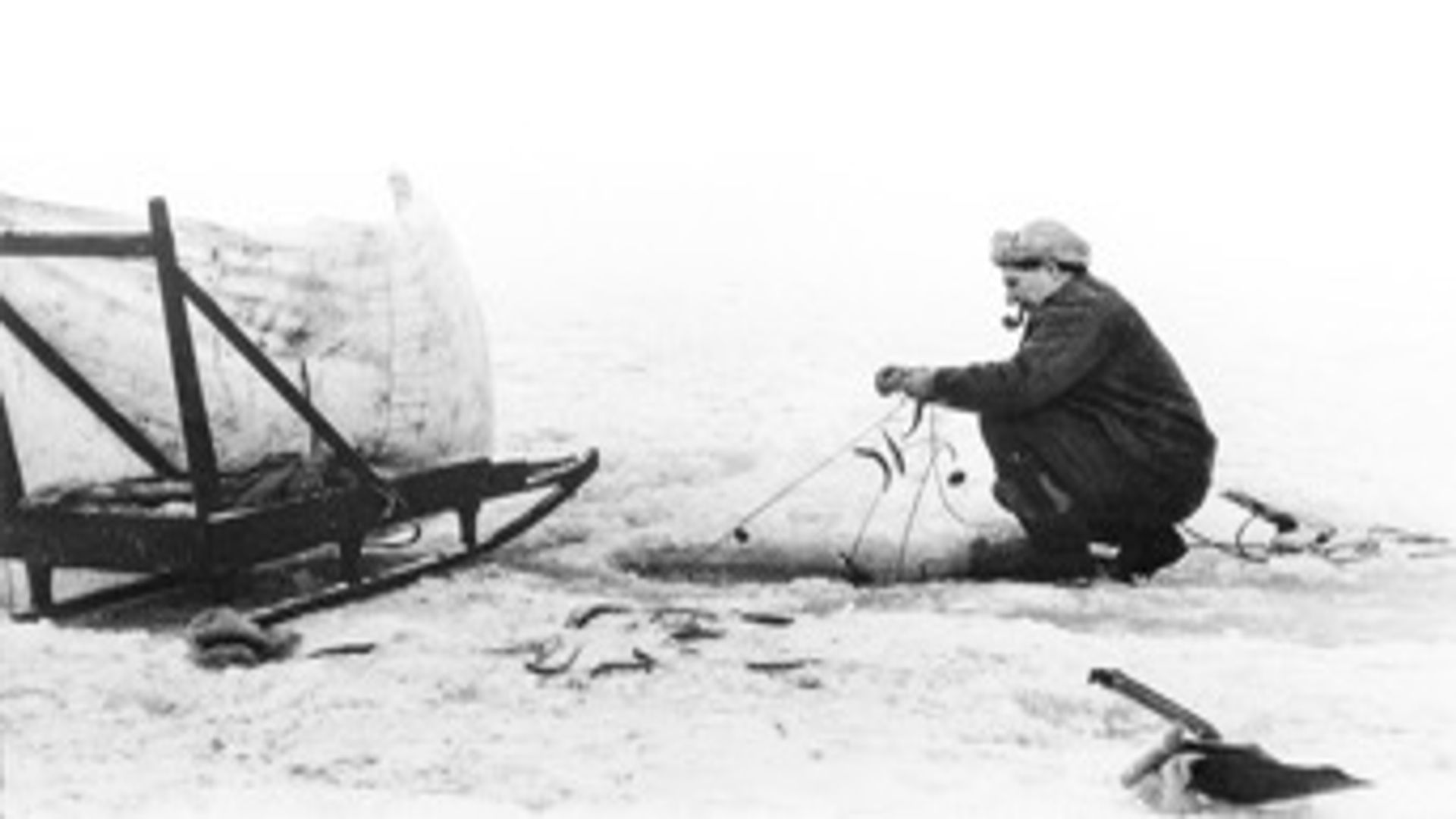
Into Sandberg, a professional fisher from Tahkoluoto (close to Pori, Finland) lived between 1911-1985. He is considered a knowledge holder, a major figure in Finnish environmental thinking and fishing. A new, re-issued book (original in 1986), will be released by Snowchange at the end of May. The book is accompanied by a StoryMaps material released today.
Tahkoluoto was once an island between the open Bothnian Sea and the Finnish mainland. The nearest settlement was, and still is, the village of Reposaari three kilometres away. The nearest city is Pori, which lies some thirty kilometres down the coast.
For hundreds of years the people of Tahkoluoto operated a subsistence economy. There were two farms, but fishing was the main occupation, providing a livelihood not only for the locals but for the townspeople of Reposaari, too.
Today, a road connects the islanders to the mainland and the city of Pori. Wind turbines dominate the landscape, and the fishermen have disappeared. Subsistence-based livelihoods that depended directly on local lands and water livelihoods were replaced first by coal-fired, then by wind power plants.
The coal-fired power plants opened and were shut down within a single generation. The last operating day of the wind farms is already known. Neither of these developments in local livelihoods ever sought to account for how food production would be secured if imports or money run out.
The Sandberg family lived in Tahkoluoto, Pori, on the shore of Ketaranlahti Bay at its northern end. The bay, almost completely closed off by land uplift, served as a sheltered harbour from which the sea was reached through three narrow straits, or sounds. Fishing was the work Into was born into. There were no alternatives when it came to a profession. This was a way of life that his hands and mind had been shaped for over generations.
This material and the new book shed light on this boreal coastal community and a way of life that has few rivals.
Link:
https:
Arctic seas
3/9/2026
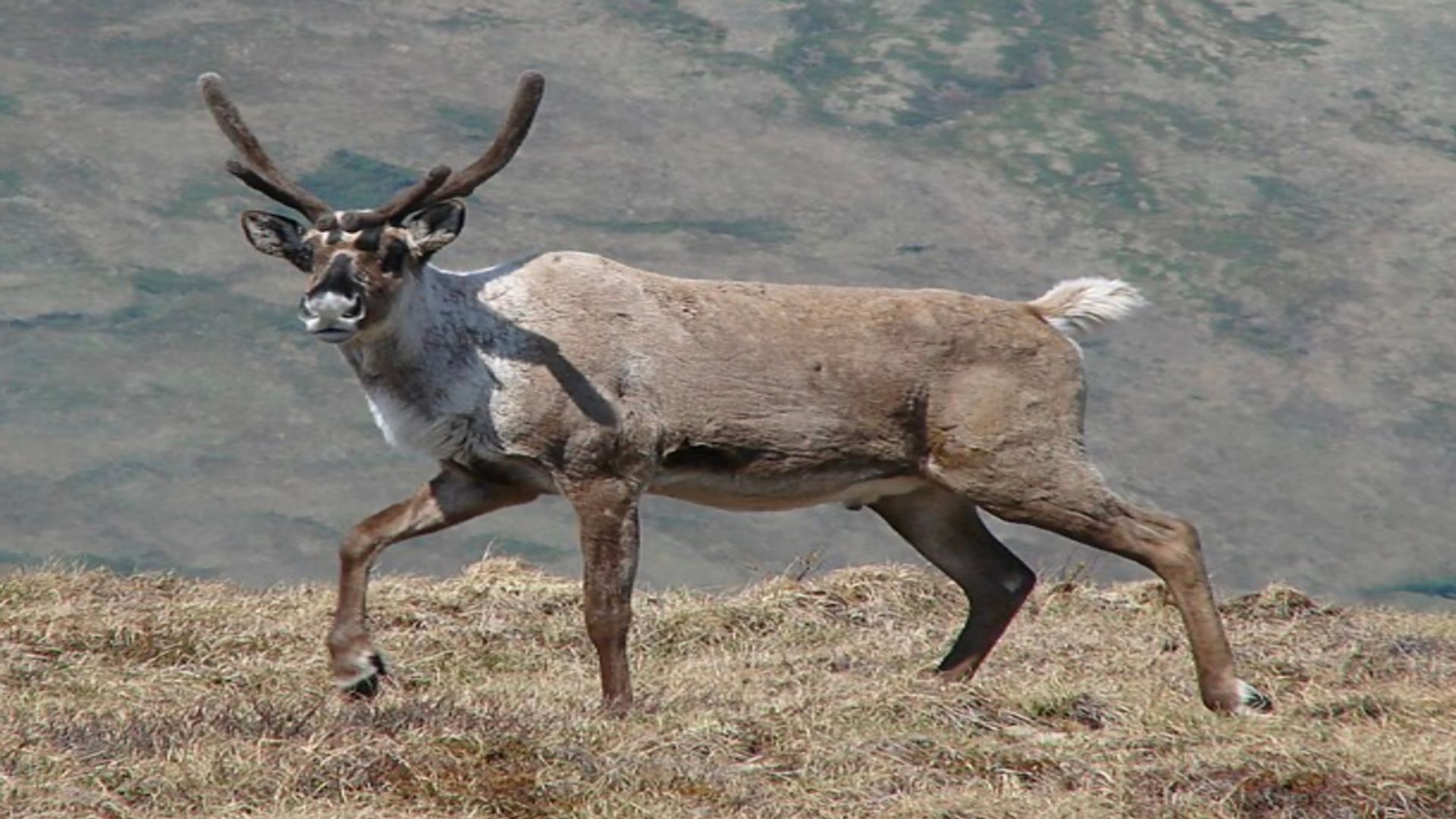
A Major Indigenous Database Released Regarding Indigenous Knowledge of Caribou and Wild Forest Reindeer
This collection of StoryMaps presents knowledge and observations from Indigenous and local/traditional communities in Gwich'in Territory (Canada), Unalakleet (Alaska), Kainuu (Finland), Siberia and the Yukon, as well as scholarly works, concerning the importance, status and trends of caribou/reindeer in the Arctic and Boreal. These curated and consented Indigenous knowledge materials have been collected from Unalakleet, Alaska, Yukon and NWT, Canada, Kainuu, Finland and Siberia, Russia (prior to the War of 2022).
Gwichin, Canada
The events and significance included in this document were curated by Leslie McCartney, on behalf of the Gwich’in Tribal Council Department of Culture and Heritage. This event database focuses on categorizing 'event' information from the vast archives of Gwich’in oral history and ecological knowledge.
Prof. McCartney and a research intern reviewed transcripts, coded weather and other events into an 'event database' categorized by decade. This event database now contains hundreds of ethnographically reliable and socio-ecologically relevant observations, focusing on ecosystem changes of significance dating from the mid-1900s until today.
Fortymile Herd, Yukon, Canada
The Fortymile caribou herd was once one of the largest migratory caribou herds in the world, with population estimates in the hundreds of thousands of animals in the early 1900s. In summer and fall the herd migrated throughout an area of over 200,000 km 2 spanning from west of Fairbanks, Alaska to Whitehorse, Yukon Territory, Canada (see map below). Throughout history the culture and survival of Indigenous peoples in Alaska and Canada have been interconnected with the caribou.
Kainuu, Finland - Wild Forest Reindeer
Wild forest reindeer were abundant in Finland and the region of Kainuu before the 1800s, but by the early 20 th century, this near-threatened subspecies of reindeer was (supposedly) hunted to local extinction. Fortunately, it returned to Finland in the 1950/60s from Russia. The wild forest reindeer was an important game species for the Indigenous Sáami peoples and early Finns and played an important role in Sáami & Finnish culture for many centuries.
Sakha-Yakutia, Russia - Wild Reindeer
We can consider the wild reindeer, in all its forms, a keystone species for cultural and ecological health of the northern Eurasia. For centuries, domesticated wild reindeer supported nomadic lifestyles and the survival of many Indigenous peoples in this region. The story of terrestrial ecosystems of northern Eurasia is a story of the wild reindeer (Rangifer tarandus, various).
Unalakleet, Alaska - Caribou
For hundreds of years caribou has been one of the most important cultural and hunting animal in the landscapes around Unalakleet, Alaska, USA. Unalakleet is an Indigenous community on the Norton Sound with Iñupiaq, Yupiaq and Athabascan heritage. It is a central community for the Bering Strait region.
Link:
https:
Arctic seas
3/2/2026
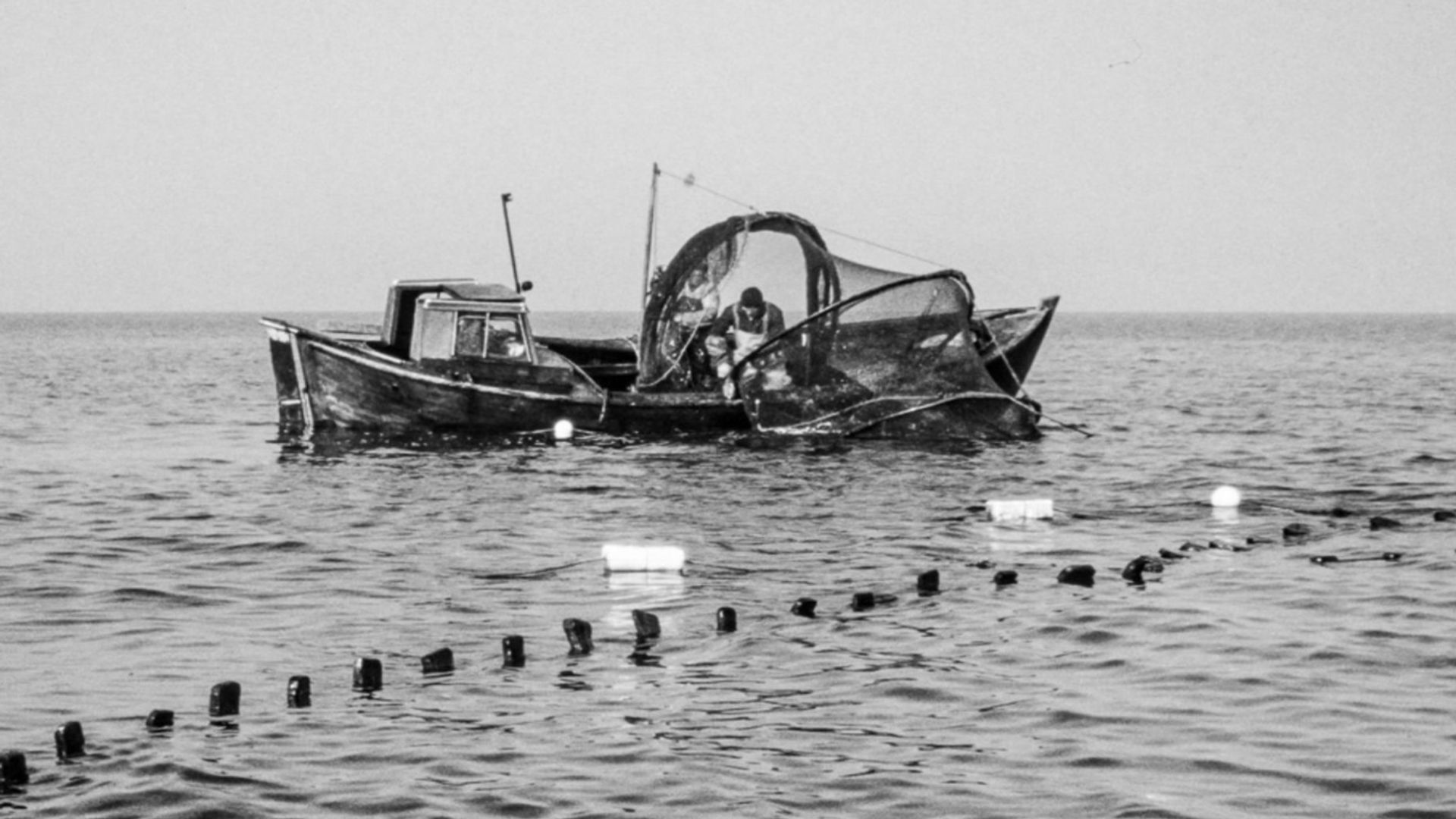
Shining Islands: the Oura Archipelago and Internal Landscapes of the Rääkäri (The Drift-Netter)
A new science article explores important coastal Baltic fishing community and traditional knowledge.
Oura used to be the hub of small-scale commercial coastal fisheries in Finland (Mellanoura et al. 2023). The archipelago can be considered a biocultural landscape – a nexus of human-nature activity with considerable depth and spatial relevance (Elands et al. 2019). This article explores how the relationship between political, economic and social factors (Alexander et al. 2022) have contributed to creating internal and external interpretations of the archipelago. Internal perspectives (Mosby et al. 2025) of the Archipelago as a landscape stem from the fishing community or Oura itself. Whilst interpretations of the archipelago as an external demarcation stem from actors such as Finnish state authorities and the European Union (Loring 2017, Campling and Colás 2021). More specifically we situate the Oura Archipelago in the nexus of conservation, traditional culture and geography, with elements of political ecology (Alexander et al. 2022). Our research question concerns the quality of the interface between a small marine community (Mosby et al. 2025) and external governance. We investigate this through brief, relevant case studies from Oura – the practices of drift netting, seal hunting and, finally, the arrival of marine conservation. We also refer briefly to Clover (2022) to consider the potential of marine restoration and rewilding as a solution.
Link:
https:
Arctic seas
2/16/2026
New Indigenous Knowledge of Bowhead Whale Released
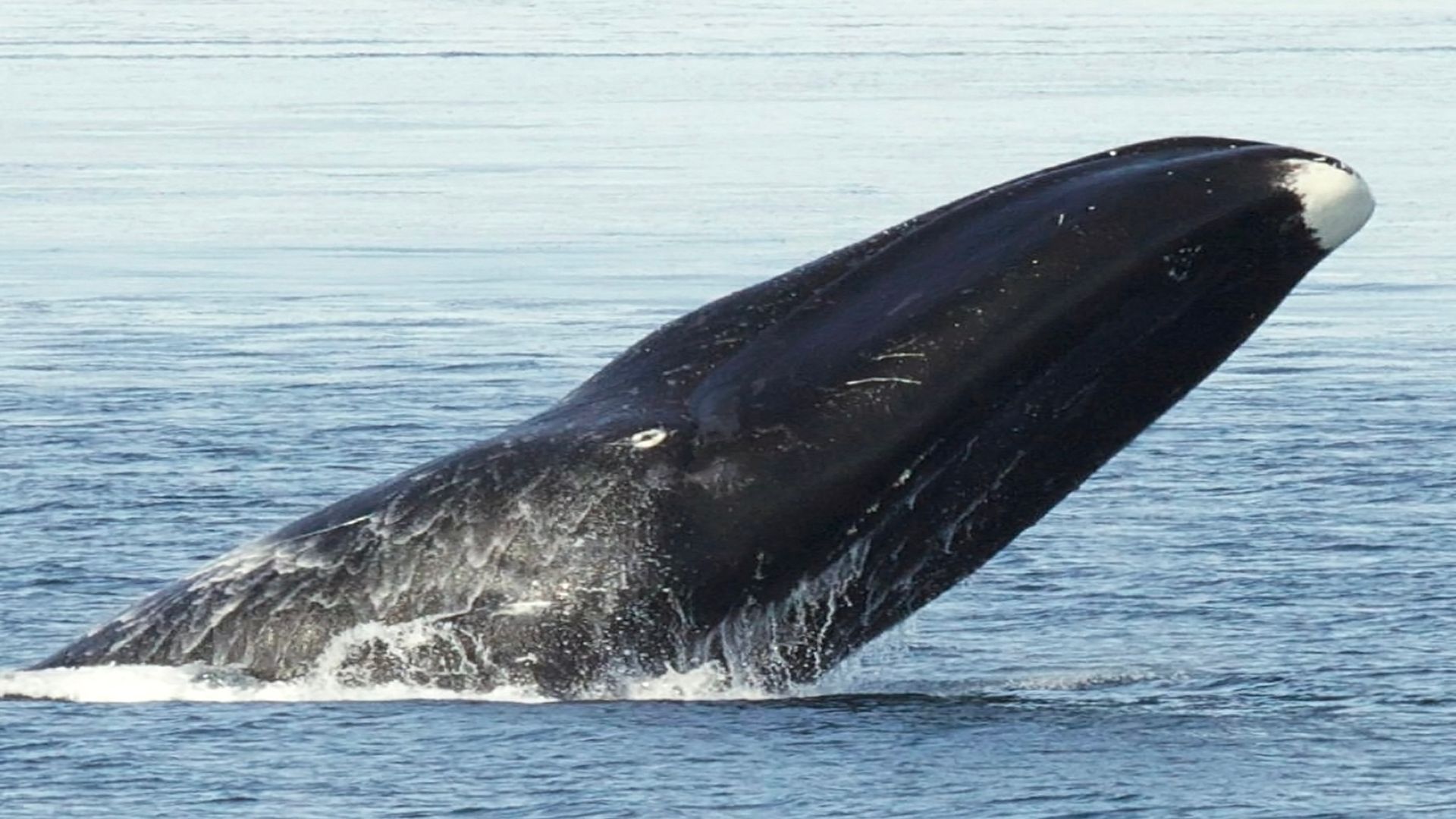
Today Arctic Passion - the EU -funded monitoring programme, has released a new unique Indigenous knowledge database of bowhead whale from Chukotka, Nunavut and Greenland.
These consented materials have been collected from open sources and archives. The materials from Chukotka are based on archival and literature sources.
This collection of StoryMaps presents knowledge and observations from Indigenous communities in Chukotka, Greenland and Nunavut, as well as scholarly works, concerning the importance, status and trends of the Bowhead whale (Balaena mysticetus).
Chukotka
The cultural relationship with bowhead whale (Balaena mysticetus, Zelensky et al. 1997, Bogoslovskaya et al. 2016, Melnikov and Zdor 2018) and the Chukchi and the Siberian Yupiaq of Chukotka is old and extremely relevant (Bogoslovskaya et al. 2016).
Greenland
Bowhead whales (Balaena mysticetus), Arfivik in Greenlandic, have historically held deep cultural and subsistence importance for Inuit communities in Greenland. Once nearly eradicated by commercial Euro-American whaling between the 17th and 19th centuries, bowhead populations have gradually recovered especially in West Greenland after nearly 80 years of protection.
Nunavut
The Inuit from Nunavut, Canada have had a cultural relationship with bowhead whale (Balaena mysticetus) or arviq for a long time (Bennett and Rowley 2004, Reeves and Lee 2022). Harvesting the bowhead whale is and has been, as all Inuit hunting activities, a part of a large cultural whole in Nunavut.
Link:
https:
Arctic seas
12/16/2025
The Role of Customary and Traditional Knowledge and Law Practices in the North Atlantic: Oral Histories from the Faroe Islands
A new science article discusses Snowchange work in the Faroe Islands and oral histories associated with environmental change.
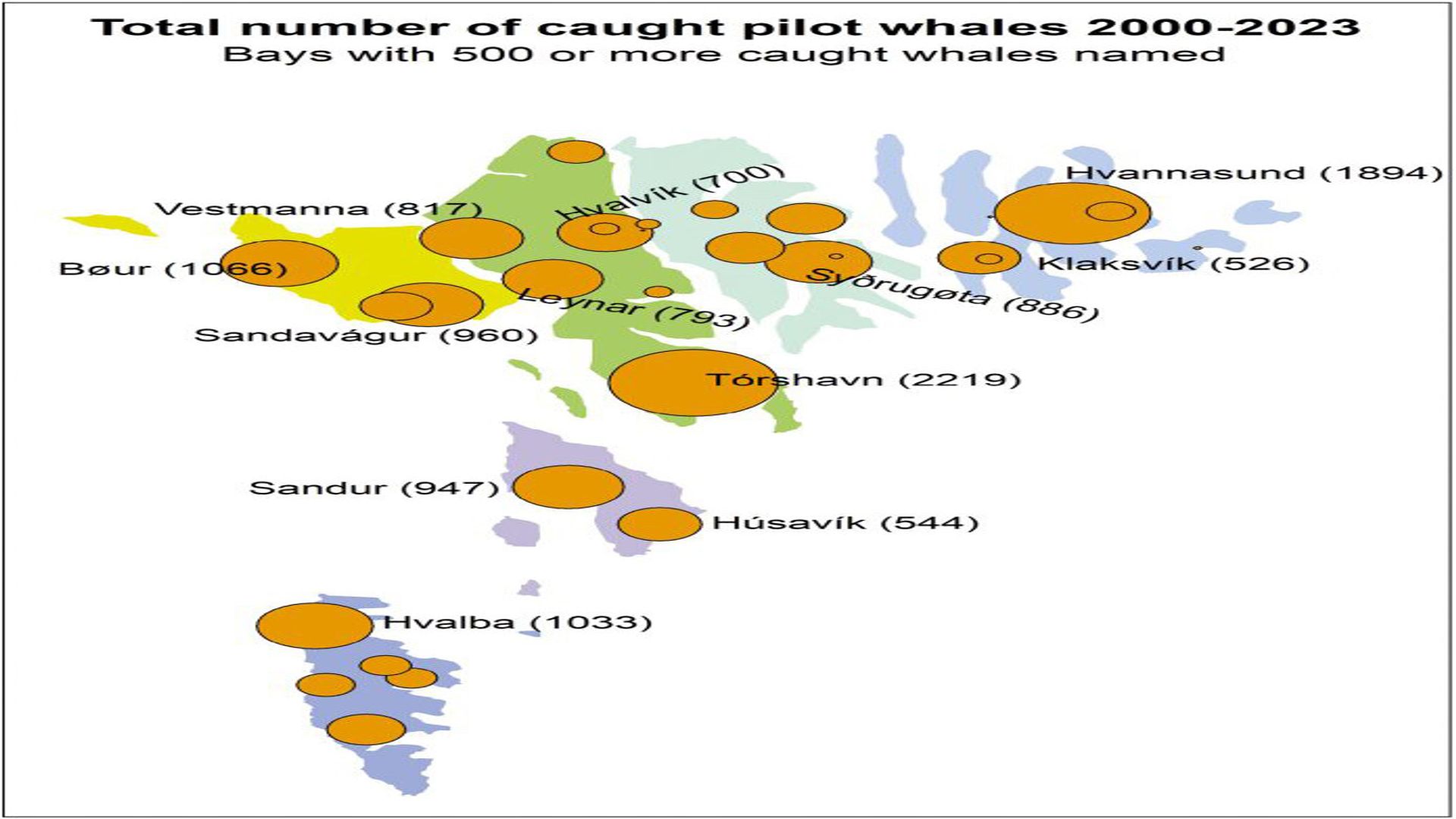
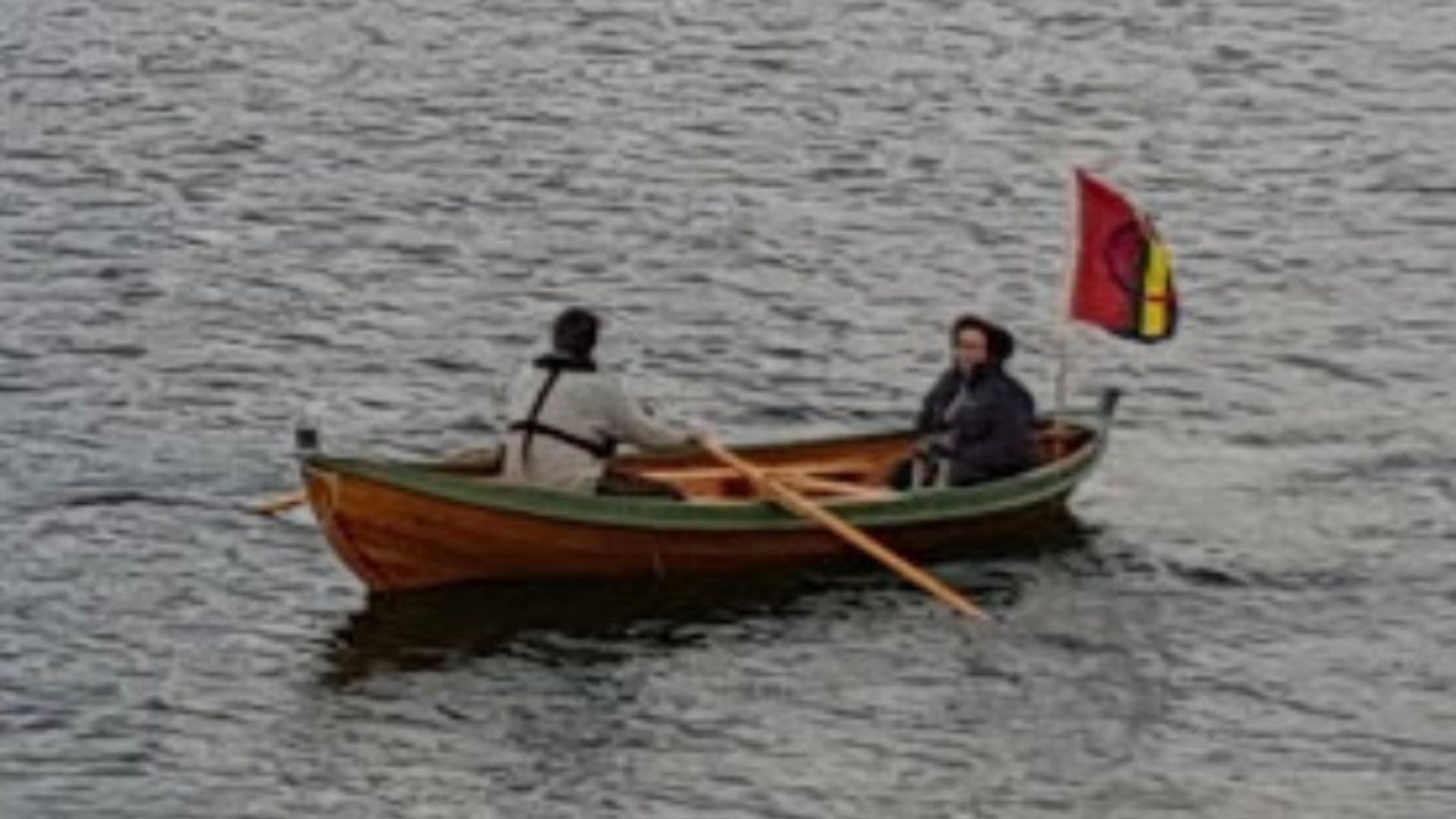
This article focuses on the role of customary knowledge, practice and cultural continuation associated with oral histories of Faroe Islands. Four thematic areas are analyzed– pilot whale hunting, household and artisanal fisheries, pollutants, and social practices. The research builds on a 20-year engagement with over 20 knowledge-holders to explore what elements of customary law may continue to the present using oral history, participant observations, field trips and community workshops as methods. Additionally, novel and important observations of marine and environmental change are reported. Whaling has a significance for the community in the Faroe Islands through the meaning individuals have associated with it. The article provides evidence that the continued practices are linked to traditional Scandinavian customary practices that have persisted through adaptation and change continued to present day.
Link:
https:
Arctic seas
10/5/2025
Three New Indigenous Coastal Resources Added
In the Porsanger fjord in Finnmark, northern Norway, coastal Sámi livelihoods and the marine ecosystem have been and continue to be impacted by climate and biodiversity change such as invasions of seals and king crabs. Overfishing and failed fisheries regulations also contributed to the degradation of marine ecosystems and local livelihoods.
Three StoryMaps resources have been added from the coasts of Sápmi in Norway to the Arctic Seas. They describe work in Porsanger Fjord, Indigenous Knowledge as a basis of coastal and marine impact assessments and management and lastly the Indigenous Salmon Rivers of the Future as seen by Sámi in Deatnu.
See maps and below for an example.
Link:
https:
Arctic seas
8/9/2025
Unalakleet Indigenous Knowledge Database Released
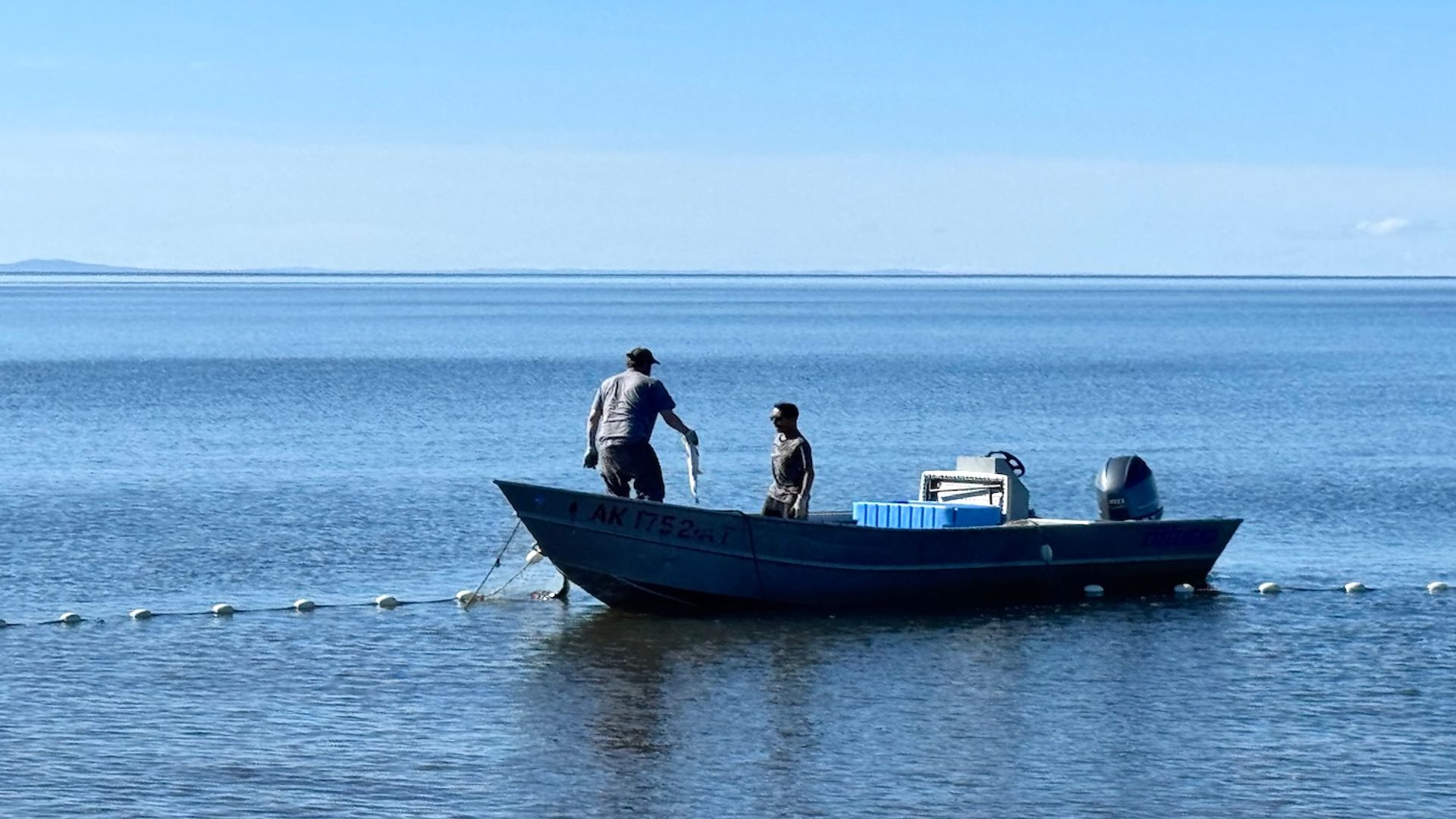
After much waiting the much-anticipated Unalakleet Climate and Indigenous Knowledge Database has been released. Available below and on site.
Welcome to the Unalakleet Climate Events Database, which presents over 20 years of research materials, oral histories and Indigenous views on climate change affecting Unalakleet and Norton Sound, Alaska.
This collection of oral histories, observations, scientific data and knowledge has been created with the express permission and collaboration of Unalakleet co-researchers. It offers a critical reading of the current state of climate change impacts in the region in general, and through the lens of two keystone species, Pacific salmon and caribou, which are explored in detail as indicators of change.
The Bering Sea is the northernmost part of the Pacific Ocean, separating the continents of Asia and North America. To the north the Bering Sea connects with the Arctic Ocean through the Bering Strait.
In the 2019 Acrtic Report card, Indigenous Peoples from the Bering Sea area described the sea as "the world’s richest sea".
The Bering Sea hosts more than 300 species of fish, including salmon , herring, cod, flounder , halibut, and pollack. Bering Sea islands are breeding grounds for the fur seal and the sea otter and northern areas are inhabited by walrus , seal, and sea lion . Several whale species, notably gray whales, migrate to Bering waters to feed during the summer.
The Bering Sea is home to over 70 Indigenous communities of the Iñupiat, Central Yup’ik, Cup’ik, St. Lawrence Island Yupik, Unangan, and Chukchi Peoples, who have traditionally interacted with and relied upon the Bering Sea for their physical, cultural and spiritual health.
Unalakleet is a village located in Norton Sound at the mouth of the Unalakleet River in Alaska, USA.
The regional coordinators and Snowchange worked over 5 years with several community Workshops and guidance from the Elders to compile this StoryMap.
Link:
https:
Arctic seas
6/30/2025
Annukka, New Marine Expert Joins the Team
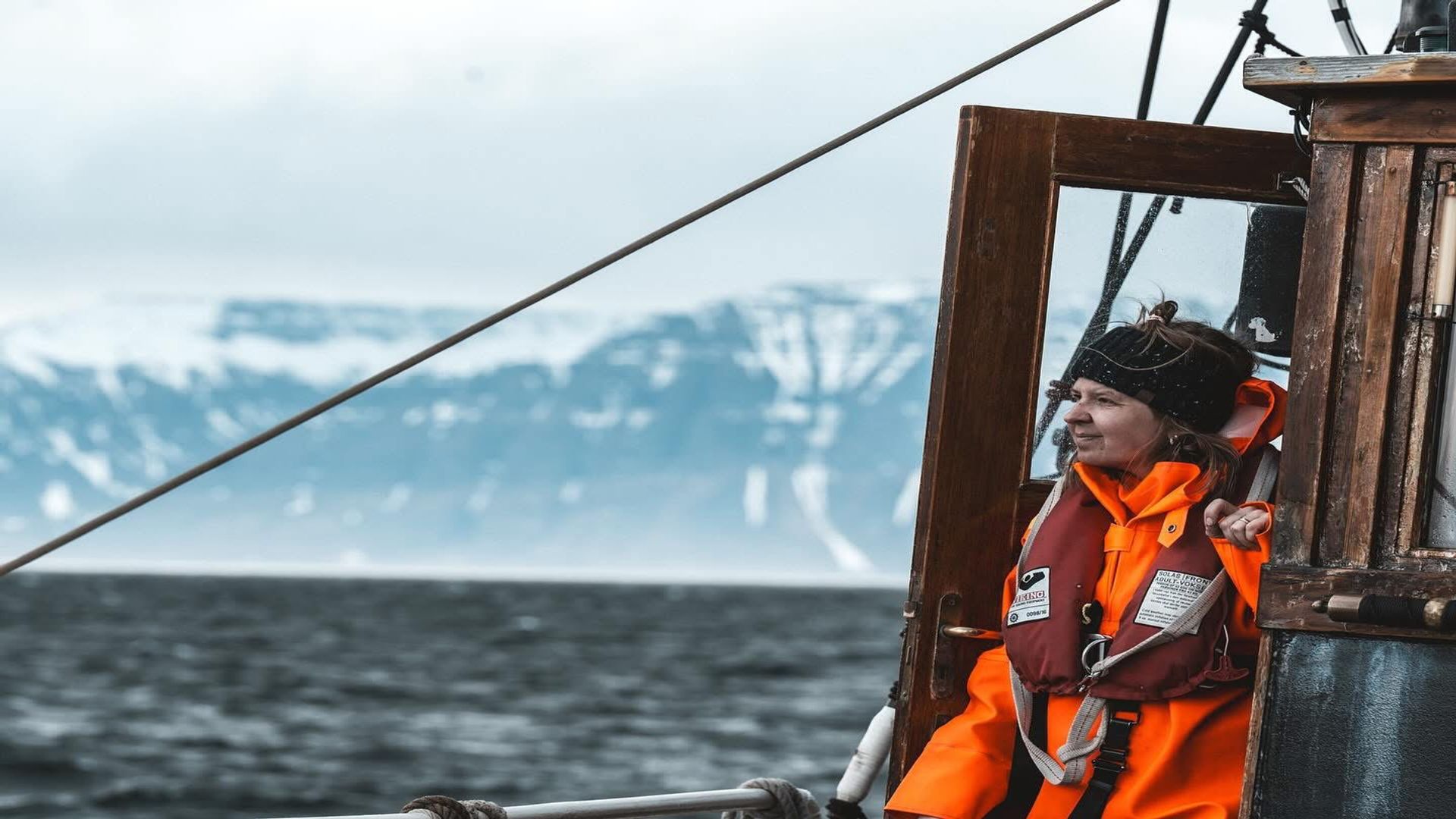
New staff additions strengthen the marine team. Annukka Pekkarinen has joined Snowchange after some part time works in the past. Annukka is a Finnish science project coordinator with education in Maritime environmental research, Marine biology and coastal and marine management.
She is also a wilderness guide and a professional seafarer, with a decade of experience in the Arctic, mainly Iceland and Greenland and Antarctica.
She has been working since 2011 in various international coastal and marine management projects in the Baltic, North Sea, the Arctic and the Indian Ocean, on themes varying from eutrophication, Marine Spatial Planning to invasive species, hazardous cargoes and effects of shipping and noise to marine mammals.
Lately she has been working with interaction, communication and coordination of freshwater and coastal research projects focusing on mapping & measurement technology in the boreal region.
Arctic seas
1/12/2025
Tahltan Events Database Released
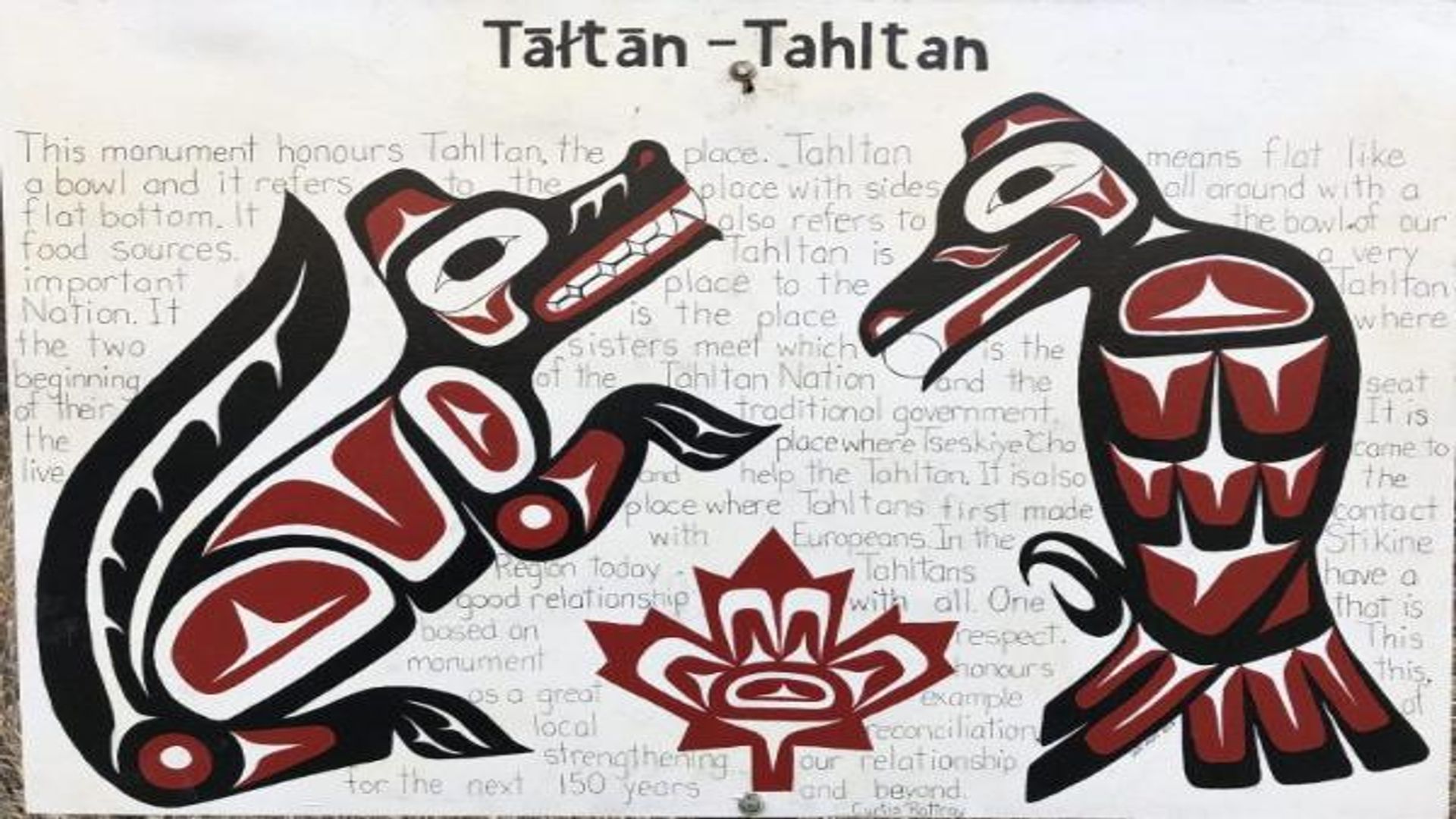
Observations of climatic, ecological and cultural change from the Tahltan Nation are documented in a large new database, as a part of the Arctic Passion and Arctic Seas work.
Tahltan researchers from Tu'dese'cho Wholistic Indigenous Leadership Development and the Snowchange Cooperative present a new database of Tahltan observations of climate, ecological and cultural change in the Canadian sub-Arctic.
Drawing on oral histories from Tahltan elders, as well as Tahltan science, self-documented videos and photos, the database is a vital effort to centre on-the-land, lived experiences of climatic change in efforts to tackle climate change in the Arctic and sub-Arctic.
The database discusses critically important knowledge from the Stikine River basin and the Alaskan and British Columbian maritime histories.
Link:
https:
Arctic seas
6/7/2024
Major Indigenous Arctic Knowledge Hub Released Today
First-ever detection of microplastics in the Sámi rivers and lakes. Gwich’in knowledge reaching back to Myth Time unveiled. Local observations of marine species, fish and birds shows priorities for Western Greenland. Faroe Islands communities share their 20-year-long observations of pilot whales, marine pollution and sea birds. Russian Indigenous and Siberian communities pinpoint tundra fires, preservation of nomadic lifestyles and White Sea ecosystem changes. All of this and much more are unveiled today as a part of a unique Event Database of Indigenous Knowledge across the Arctic and boreal.
EU Horizon Project “Arctic Passion” and Snowchange have worked with hundreds of Indigenous and local knowledge holders since 2021 to prepare these Event Databases across the North. The communities want to share their knowledge of the changing Arctic. Additional support was received from Oceans Wide Small-Grants Programme of Snowchange.
(Arctic Passion -related communities are marked as RED on the LEFT hand side of the navigational window. If you click there, only AP communities become visible.)
Many past environmental events that Arctic societies have lived through remain largely unknown to contemporary scientific study. We have developed a living database that can be added to and expanded to cover the whole region.
With a respectful engagement with Arctic co-researchers community- embedded IK-LK has the potential to transform and provide a more complete view of the past environmental change, enhance present monitoring activities, and to build trust between local and scientific communities. Indigenous staff was positioned as key co-researchers who also own all their knowledge. Free, prior and informed consent was implemented in each action.
Released today, these Event Databases serve as unique repositories of climate and ecological change. They also translate observations from local languages into English and present contemporary weather and ecological monitoring and use of cultural indicators, visual and oral histories and other means to establish baselines of change. Event Databases also reconstruct key events and offer historic depth to many changes at present.
Central node for all Databases is the Arctic Seas portal. Below each community Database can be accessed directly. Some of the communities will join the wider whole during the summer so the Arctic Seas portal will be updated through the season.
The Skolt Sámi Event Database focuses on discovery of microplastics both in the Näätämö river basin, region’s lakes and the Neiden Fjord. Accompanying this are the first-ever Skolt Sámi ethnobotanical overviews and drone documentations of melting palsa permafrost sites. A science paper summarizes the key findings of the interplay between Indigenous knowledge and science.
Gwich’in knowledge has been curated over the past three years with knowledge holders and experts of oral history. Presenting accounts starting from the Myth Time all the way to 2000s the Gwich’in home area is highlighted both in photos and in oral history. Drawing on hundreds of hours of expert testimony from Gwich’in elders, the database is a vital effort to centre on-the-land, lived experiences of climatic change in efforts to tackle climate change.
Hunters, fishers and researchers from the PISUNA Project and the Snowchange Cooperative present a new database of Inuit observations of climate, ecological and cultural change in western Greenland. Drawing on oral histories, self-documented videos and photos, and a decades-long Indigenous observation programme, the database is a vital effort to centre on-the-land, lived experiences of climatic change in efforts to tackle climate change in Greenland and the Arctic more broadly. The site also contains important reflections on Greenlandic history and collaboration with scientists.
Faroese sheep farmers, fishers, bird hunters, researchers and the Snowchange Cooperative present a new database of observations of climate, ecological and cultural change in the Faroe Islands.
Drawing on oral histories gathered over a twenty-year periond (2003-2023), photos and detailed hunting and fishing data, the database is a vital effort to centre on-the-land, lived experiences of climatic change in efforts to tackle climate change in the Faroe Islands and the Arctic more broadly. Whilst Faroese people are not Indigenous there is a wealth of knowledge and a large cultural heritage on the islands that was an important component of the Arctic Passion.
Several Indigenous knowledge holders and nomadic communities were a part of the Arctic Passion and Snowchange partnership until the War of 2022. They managed to work for a bit less than a year. At the outset of the War we exchanged with all teams and the unifying decision was made that the people involved wanted to share their work, knowledge and findings. In order to achieve this aim we present these materials as instructed by the communities:
Khanty researchers and the Snowchange Cooperative present a new database of Khanty observations of climate, ecological and cultural change in the Siberian taiga and tundra spanning centuries. Drawing on 15 oral histories from Khanty elders, as well as self-documented videos and photos, the database is a vital effort to centre on-the-land, lived experiences of climatic change in efforts to tackle climate change in the Eurasian North.
Herders, fishers and researchers from the Kola Peninsula and the Snowchange Cooperative present a new database of observations of climate, ecological and cultural change in southern Kola and the Ponoi River.
Chukchi and Yukaghir researchers and the Snowchange Cooperative showcase observations of climate, ecological and cultural change in the Kolyma River bain, NE Siberia.
Unalakleet, Alaska and Dease Lake in Canada will report their findings during the Summer 2024.
They will be made available at Arctic Seas Portal.
Link:
https: